
Scotia Coda
Miscellany on the auld country

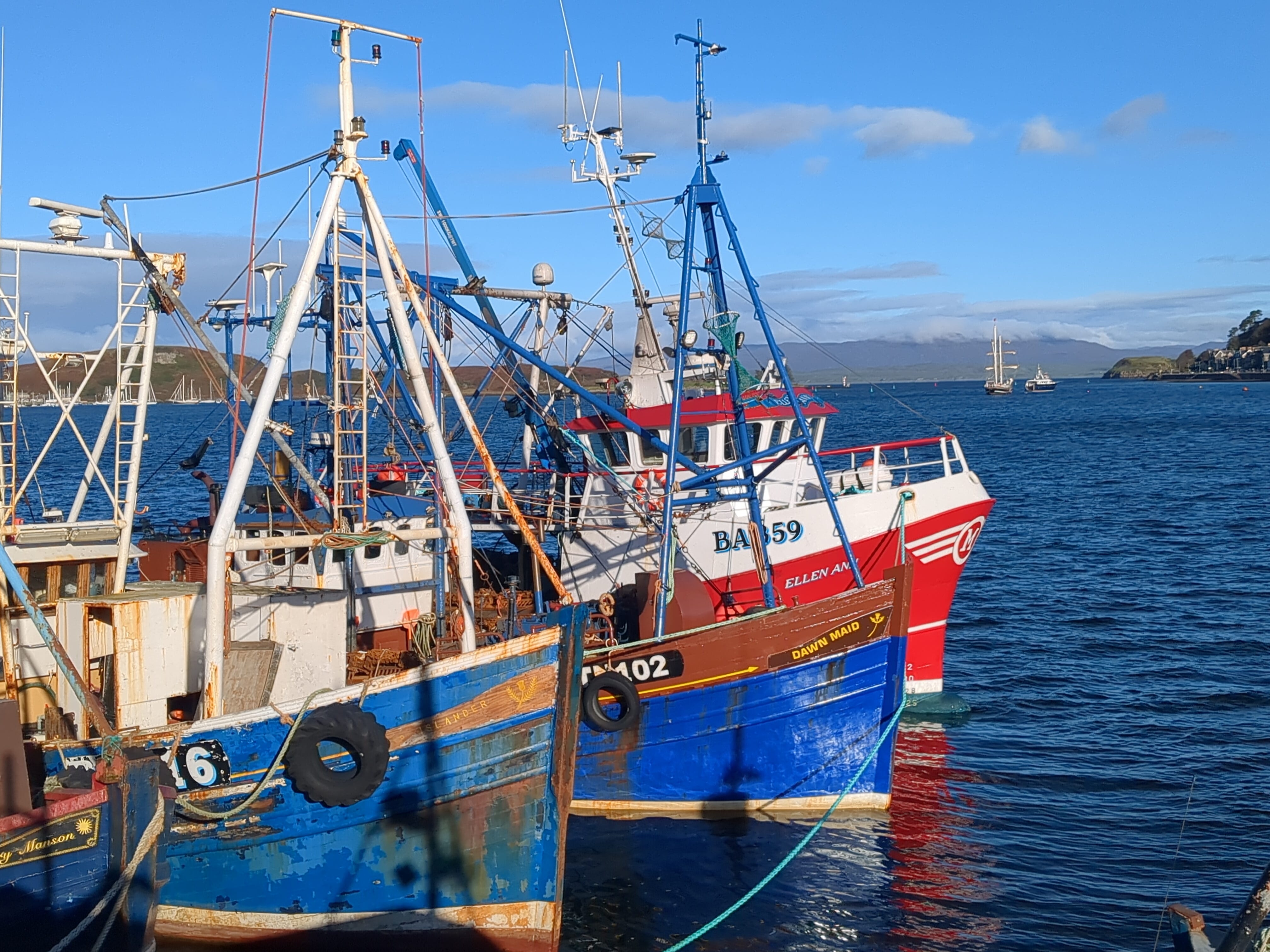
My shins were still itching from the stony military roads of the West Highland Way when I headed south along the coastal fringe of the Gàidhealtachd. I had to change buses in Inveraray. Waiting on the next coach, I wandered the high street, trying to squeeze through doorways with my bulging pack. The soundtrack in the whisky shop was the fast picking and dulcet drawl of Jerry Reed. Across the high street, the outdoor shop, filled with wellies and deerstalkers and fishing rods, rotated through bro-country hits. And at Campbell Coffee a few doors down, the barista chicks looked as if they’d been plucked from Clemson ADPi rush. No matter where you go, you’re never far from home.
(If you’re not caught up, here’s where we started:)
The Walking Cure

“Have we . . . grown afraid to escape, become dominated by the idea of a social duty that must keep our noses to the human grindstone, the grindstone that an ever-increasing mass hysteria keeps whirling with an ever-increasing madness of momentum? Work, records of unemployment, misery, conflicting politics, wars, and the lowering nightmare of a universa…
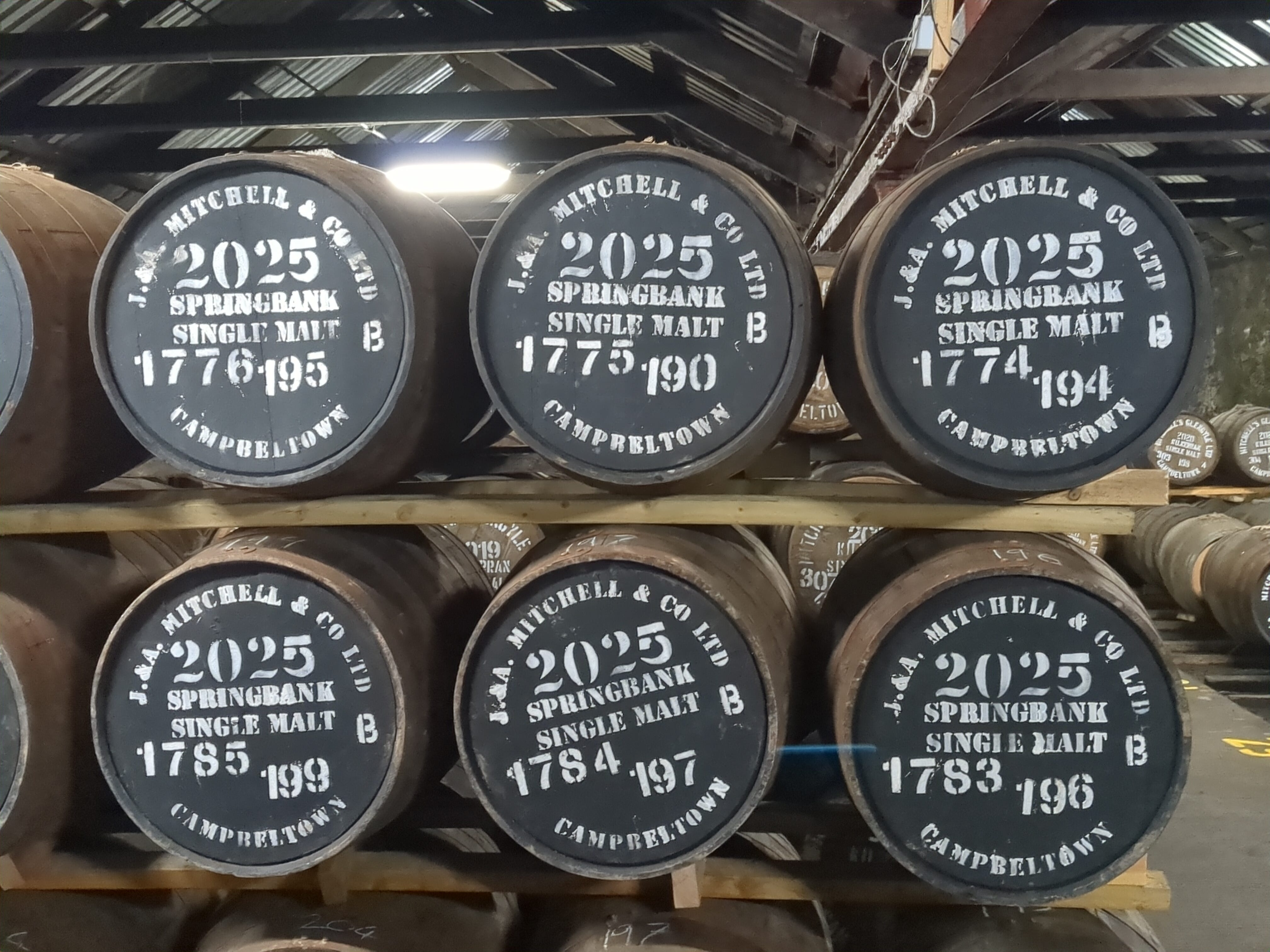
Despite being called the Gàidhealtachd, the Scottish Highlands seem to have little more Gael-ness to them than the road signs. The influx of outsiders has the most to do with this. The Highlands have for two centuries now been a destination for holiday-goers, and the growing popularity of international travel only seems to make the roads and towns even more crowded at certain times. Indeed, without tourism there might not be an economy to speak of in the Highlands, and yet this economy is not exactly what is best for the region. The novelist Neil Gunn wrote in Scots Magazine in 1937,
“The best the Inverness Town Council could suggest the other night at a public meeting was tourism as the solution of all our ills, and the Highlands no longer as a brain or a heart or a creative force but as ‘a lung’ . . . so folk from south of the Highland line could clamber into its emptiness to breathe.”
Breathe freely is exactly what many incomers intend to do. When Covid struck, the Highlands were hit by a phenomenon like many other peripheral places around the world: anxious to escape the cities (whether because of fear of the virus or anger at the lockdowns or an expectation of societal collapse), anyone with gumption went where there was space. I spent an evening talking with a Welsh couple who had left Wales during Covid and moved up to Scotland for that very reason. Even before Covid, the re-population of certain Hebridean islands in the wake of community buyouts has seen — gasp — Sassenachs among their number.
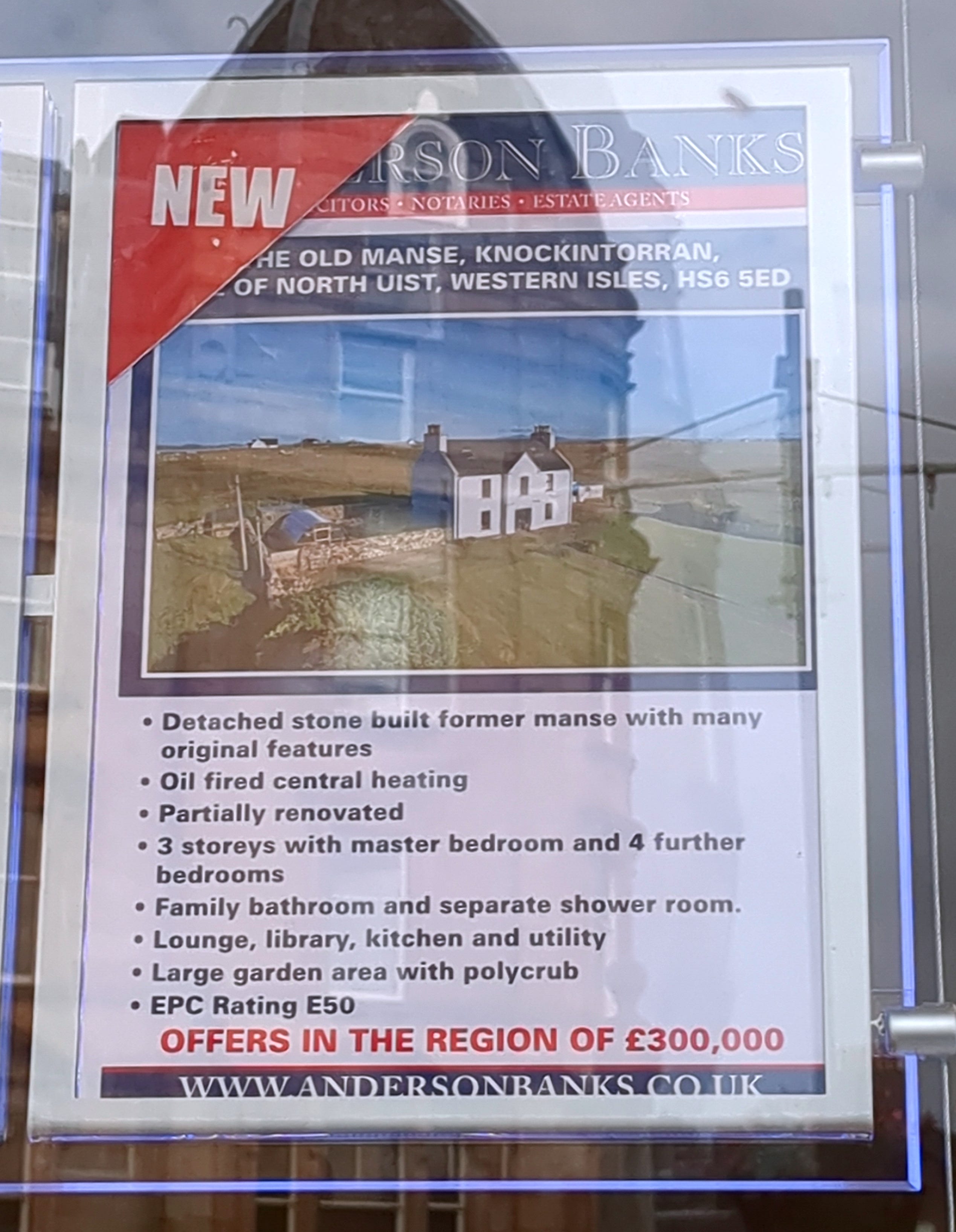
Incomes are lower in the UK than the States, but still one could have a renovated five bedroom house on gorgeous North Uist for less than the price of your average ‘80s split level in any major city in the American South. Throw in your wife’s email job and a Starlink and you are set. Or just rent it out to travelers — “self-catering” as it’s called over there — and have reliable side income.
Given this, when I saw new housing being built, not just near desirable vacation spots, but off distant rural roads, I wondered, are these homes going to locals? or to incomers? Just as when Those People sell up and leave the DC-NJ-NYC-Boston arc for south of the Mason-Dixon, the incomers to the Highlands and islands bring disproportionate purchasing power. One by default must assume these new homes are by and large not going to young Highlanders.
Gunn concluded his remarks on tourism:
“In virile life, however employed, there is a future, because free men will not bear indefinitely the evils of our present industrial system. But when this free virile life is absent, then not all the deserving old women attending to all the tourists of the world and prattling of the scenic beauty of empty glens can save the ancient heritage from decay and death.”
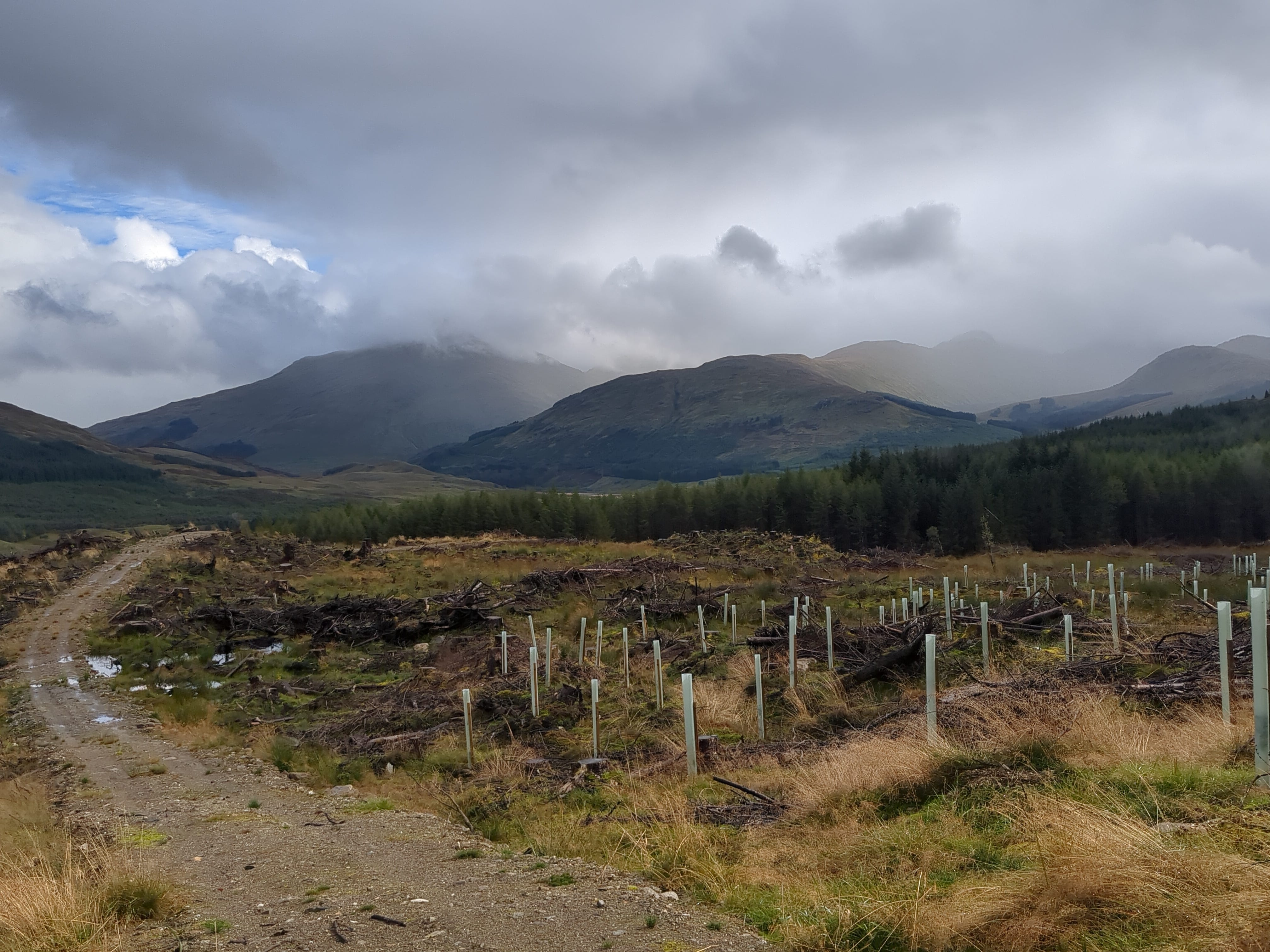
Yes, Scotland is like all of Europe, losing population. This has been true for decades, but certain areas are emptying out faster than others now, such as Ayrshire and Dumfries and Galloway. The Scottish Government, regardless of party or persuasion, says that newcomers are vital to simply maintain a workforce for essential services. This argument puzzled me at the start of my journey. Rural Scotland, especially the Highlands, is not densely populated, and yet every time I saw a young Highland family, they had two children, oftentimes three. Where is the next generation?
Then I started getting into conversations, and when they finally worked out my nationality, near on every Scot said, “Och, you’re from the States? I have a brother/daughter/cousin who lives in Texas/Florida/Atlanta/Louisiana.”
No wonder, then. Four hundred years and everyone was still heading west for warmer climes. Should it change? Should no one be allowed to leave lest the country disappear? But wouldn’t that, at this point, be to change something as Scottish as shortbread?
Others backfill them. At the Free Church in Tarbert, I met an African couple with two young children. They lived nearby and had come to see off the minister, an Irishman, on his retirement day. The church in microcosm, that confluence was, prefiguring the eternal home: there is a place set for us, regardless of where we get off of this strange merry-go-round we call global civilization. Still one wonders, until that final arrival, are we all fated to leave what we know, to move to each other’s backyards?
Perhaps not always; or better said, in the long view, there are unexpected results. One of the ladies who cleaned my accommodation in Campbeltown struck up a conversation with me. “I don’t sound like it, but I’m from here.” She’d been born in Campbeltown, but left as a child. Her family settled in Northhamptonshire (the city name eludes me) amongst other Scots who’d moved down to England to work in the factories. It was a good place to live back then, she said, but not now. The city had grown and become taken over by crime. Drugs were rampant, she said, and human trafficking — she shuddered the last words. “I didn’t dare go out after dark.” A few years ago, she left everything and moved back to her birthplace. “This is a real community,” she said. Everyone looked out for each other, there was a sense of responsibility about the town. She seemed quite content to live out the rest of her days there. Sometimes you have to leave to come back.
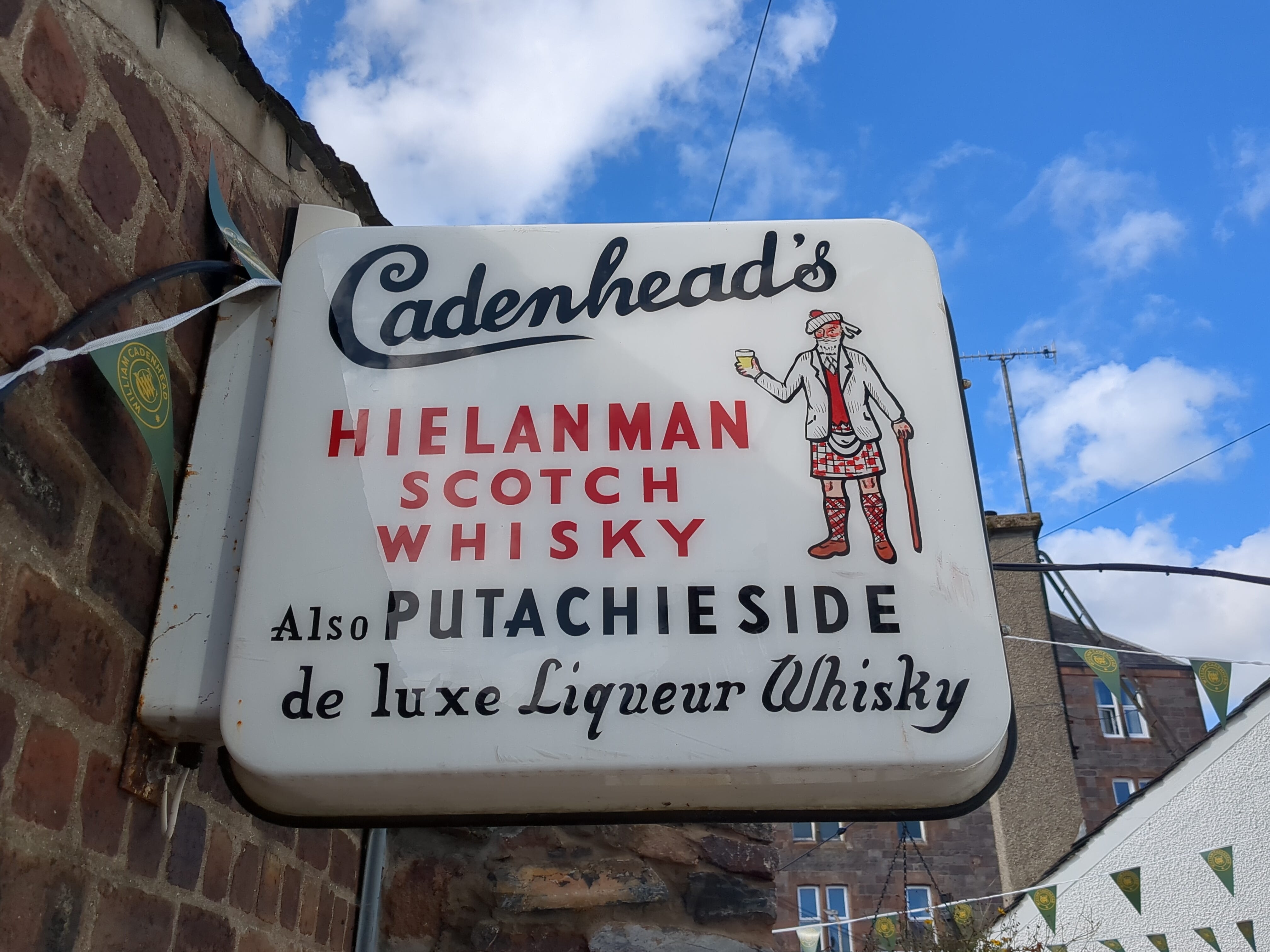
“May I be allowed to say one word to my friends who regard this whole question as trivial — trivial compared with the great economic problems with which we are faced to-day? I do not deny for a moment the gravity of these other problems, but, believe me, this question is not trivial; it goes to the very root of the future not only of Scotland but of Britain and of the Empire. Britain cannot afford, the Empire cannot afford, I do not think the world can afford, a denationalised Scotland. In Sir Walter Scott’s famous words, If you un-Scotch us, you will make us damned mischievous Englishmen. We do not want to be, like the Greeks, powerful and prosperous wherever we settle, but with a dead Greece behind us. We do not want to be like the Jews of the Dispersion — a potent force everywhere on the globe, but with no Jerusalem.”
News of Scotland’s death are premature, though, at least in Kintyre, the “mainland island.” The Sunday I visited the Tarbert church, after a waterfront night of having my eardrums pummeled by Elephant Sessions, the retiring minister took concern with me, as I missed my bus to stay for the service. He introduced me to a family that was headed south to Campbeltown — “They won’t mind giving you a lift.” So it was that I piled with the McKinnons (so I’ll call them) into their Vauxhall and made the drive down to the Wee Toon. The father, Rab, happily regaled me with equal parts stories and good-humored ribbing. Gigha, “God’s Island,” and the Paps of Jura were across the water to our right. Coming around a corner, you could see the northern cliffs of Ireland, where in January the fires of the Orangemen could be seen with the naked eye, Rab said. Then the turn for the base at Machrihanish: Rab remembered the planes and many American families that lived in the town, though no longer. Did I have any family connection to Campbeltown, he asked. I did, in fact: a couple of spinster sisters had compiled an in-depth genealogy of the family and in the mid-’90s had come over to do research. They believed that our namesake had been a tenant on Baraskomill Farm in the early 1700s.
“Oh, aye, Baraskomill, I know it. Do you want to go see it?”
How could I say no?
“Right, Tara, pet, look up Baraskomill. The farm’s got to be near the burn.”
The teenage daughter set to searching Google Maps for Baraskomill. “It’s at the Scottish Water plant, isn’t it, Tara, pet?”
“No, Da’, it’s after.”
“Pet, the plant is at the burn, that must be where the farm is.”
“No, Da’, you keep going.”
Reaching Campbeltown, we passed the waterfront and went up the coastal road. Rab pulled into the access road for the water works, only to admit his daughter, armed with the map, was right. We continued another tenth of a mile or so and there was the farm, looking the same as the black-and-white photo from the family genealogy.
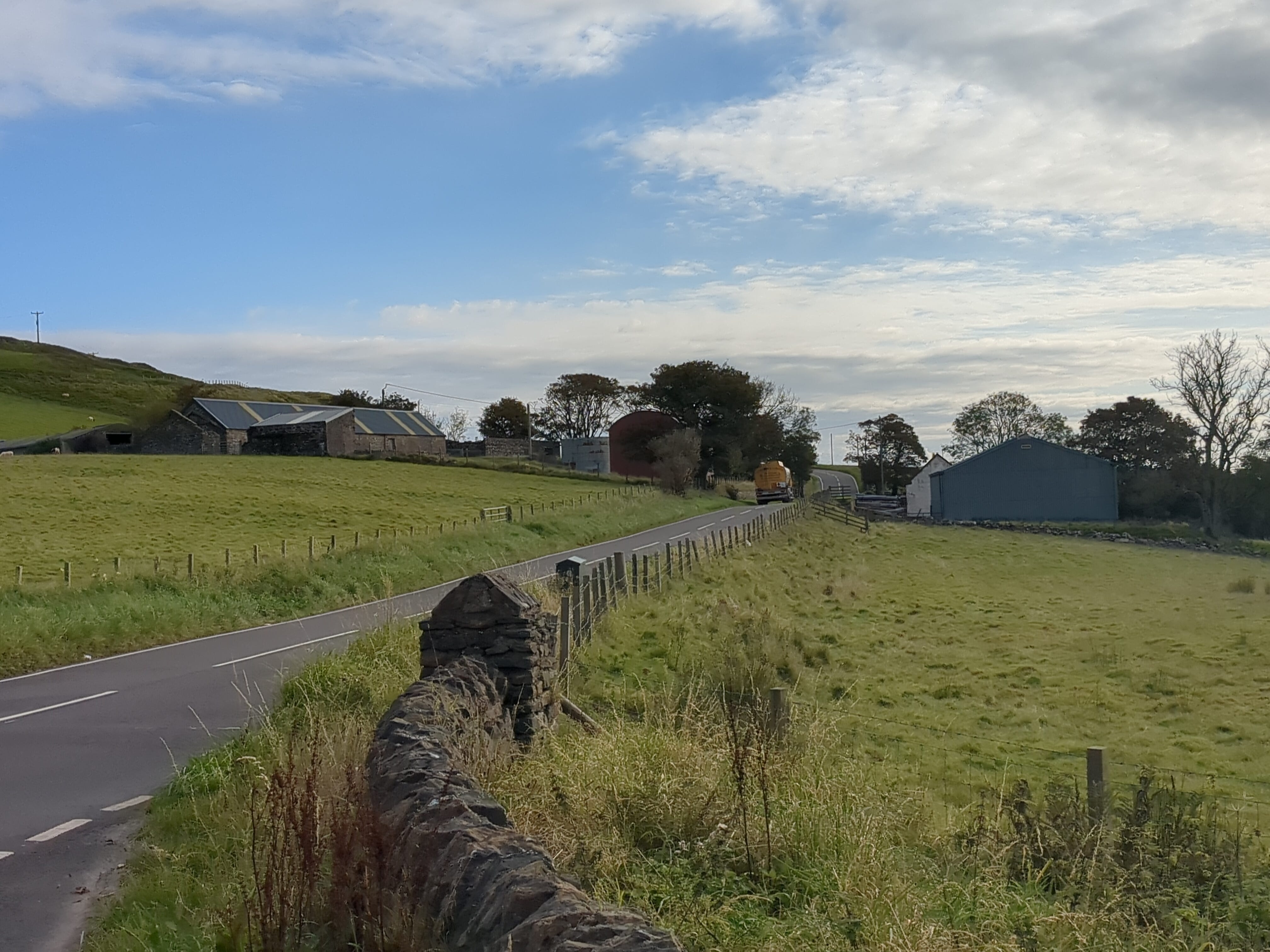
“Aye, it’s still a working farm. So your ancestor lived here?”
Yes, so we think. It’s possible he might have lived on the neighboring farm.
“Oh, you mean Crossibeg?”
Why, yes.


He didn’t know who owned Baraskomill now, though it had once been owned by a man named Houston. “I lent him a boat once, years ago. If anyone in your family is a Houston, you tell him I want it back!”
They left me at my accommodation with handshakes and well-wishes. I was instructed to come by the Free Church near the waterfront for tea on Wednesday. I didn’t make it; the genealogical magnet pulled me even farther south.
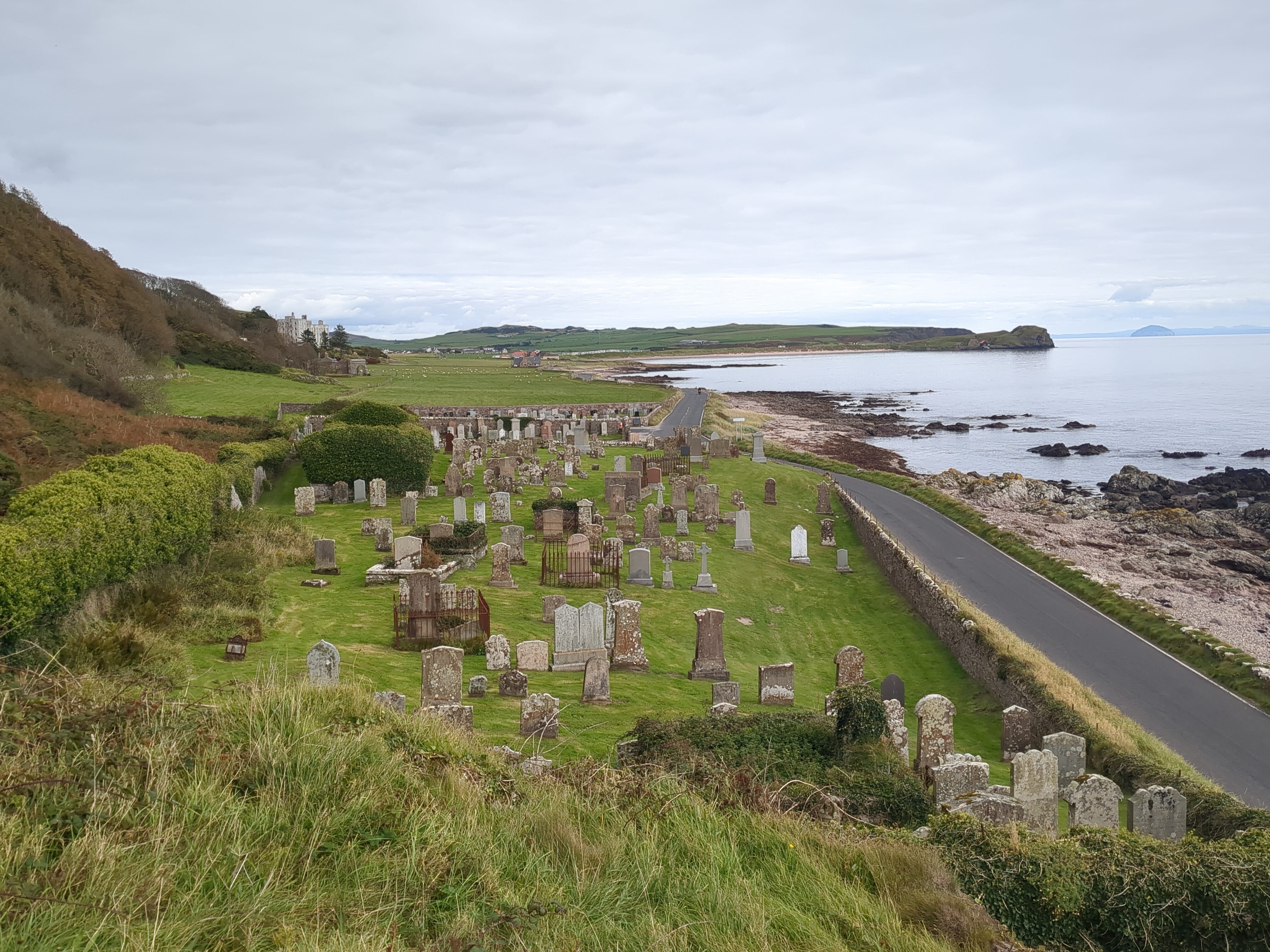
The Wednesday bus dropped me at Southend, almost the exact tip of the Kintyre peninsula, and within spitting distance of the Keil Cemetery. The cemetery sat just above the narrow road and pebbled strand. The sea was mirror-flat, all the way to Ireland. Hardly a breath of wind. You could have kayaked over and back without any trouble. My photocopy of the genealogy in hand, I went prowling amongst the headstones. The marker was all the way at the back; its distinctly deep engraving was still legible all these centuries later.
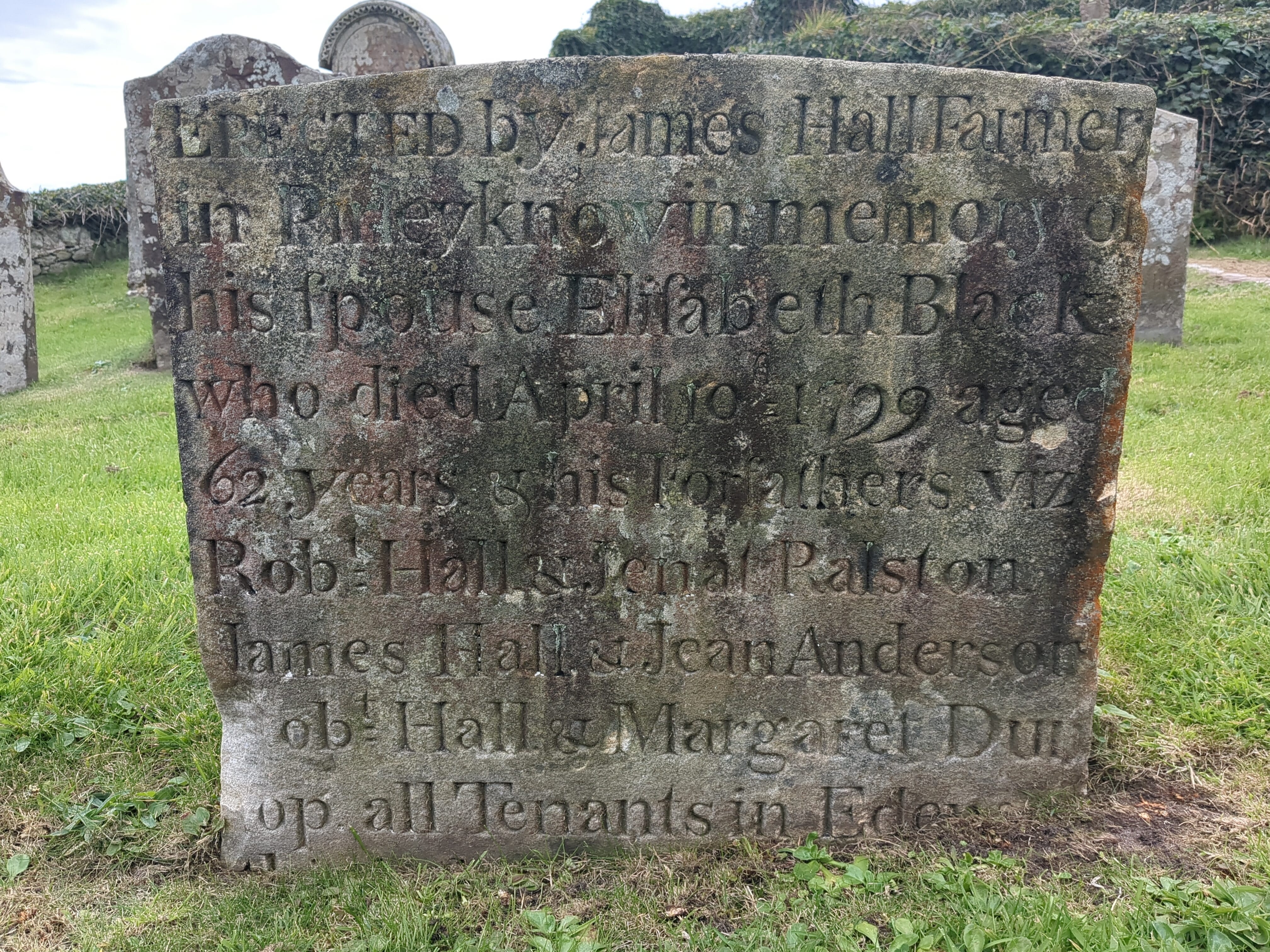
The records in those days were spotty at best and the connection between the supposed ancestor on Baraskomill or Crossibeg and this theorized many-greats-grandmother was speculation on the part of the spinster genealogists. Still, something felt right. After the requisite pictures, I wandered around the large cemetery. There was a roofless stone building with graves inside, the ruins of the Chapel of Kilcolmkil.


Kilcolmkil — why was that name familiar?
Gaelic terms were beginning to stick in my head. I knew mor meant big, beag meant small, dubh dark or black. And I recalled Colmkil was the Gaelic name of St. Columba. Hold up, was this his?
I should have read the signage outside. Though weathered by the Irish Sea, it still proclaimed that this chapel had been dedicated to Columba, as this very spot was the first place he landed in Scotland. Indeed, just go look up there.
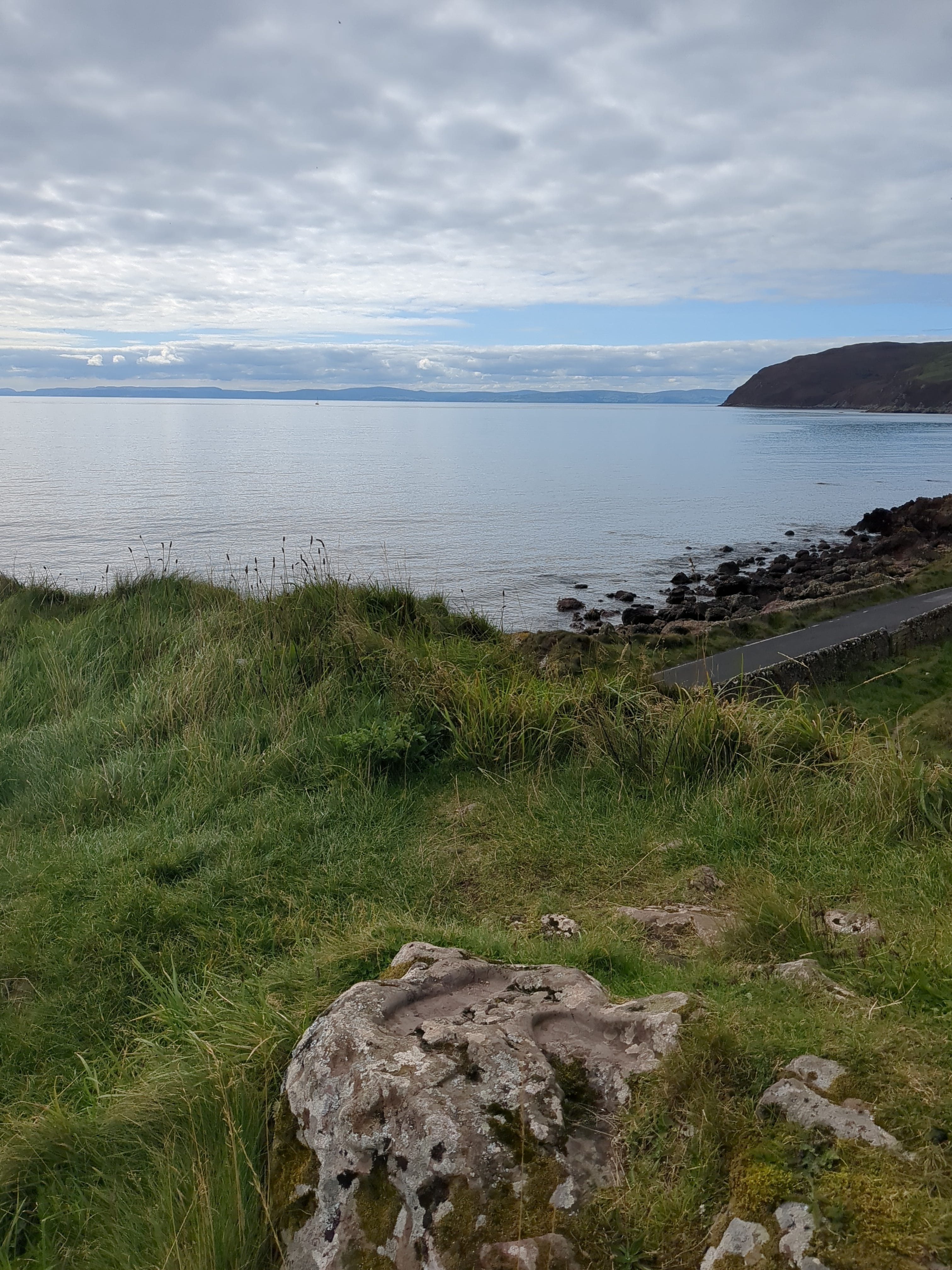
Climbing the hillock behind the cemetery, the ancestral grave not twenty yards below me, I found the rock with St. Columba’s footprint, where he first stood on these shores upon starting his evangelizing mission. Now there are two footprints, one added by a local in the 1800s, but the other, less distinct one, dates to Columba’s time. Is it actually Columba’s? Or was it used as a place of ritual by a local chieftain, where he might be inaugurated into power? Even if it was the latter, Columba knew what he was saying by stepping in it. I’ve come to save you, yes, but to lead you, too.
I left Kintyre with more answers than I had questions. An unusual outcome for me.
Being an American, I expected to take grief given our current head of state while over there. My first time in Scotland was during the Bush administration and virtually every Scot was prepared to hold me personally accountable for the invasion of Iraq. This time, no one minded bringing up “your president,” as they called him, and in fact did so more than they ever did with Bush, but I noticed a timbre in their voice that told me despite their condemnations, they were projecting. It made sense, though, their discomfort. After all, Trump is half Scottish through his mother and shares many characteristics of his maternal cousins: the gift of gab, the wild swings from ebullient to morose, the easily wounded sense of loyalty, the grudge never released, the workaday comfort with insults. Even his aesthetics are not far off: twenty-four hours on the streets of Glasgow and you’ll see his predilection for spray tan is entirely genetic. Scots may not like him, but he’s more like them than they care to admit.
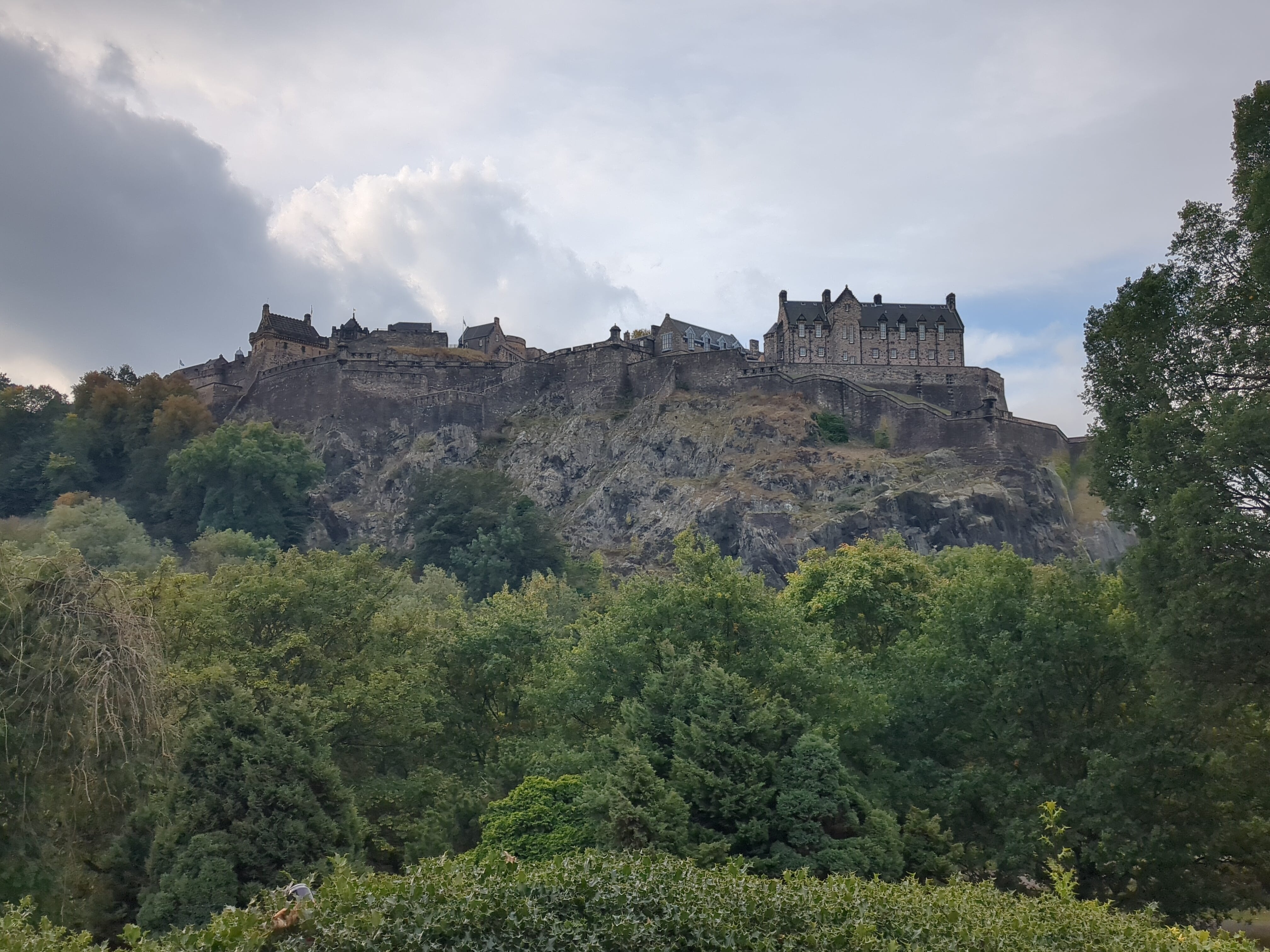
Edinburgh: pho takeaway. Chain bars announcing karaoke on chalkboards. Fourth wave artisan coffee. Graffiti grunting cryptically. Beer gardens of boomers texting. Boba. Money drinking after work, bossgirls in clean duotone ensembles powerwalking with Airpods jabbed into the eardrum. No smiles. A girl blows vape in your passing face. Chinese students stumble in talking clusters turned inward, crashing into you, oblivious. Any Western city, now.


Back then, not so much. A mere fraction of the tourists. The pubs got you uncomfortable stares, the women were uglier. What was Harry Potter? Only two old haunts unchanged by the onslaught of two decades, but those two my favorites and testaments to, well, something. Perhaps it’s doing something unexpected, perhaps it’s sticking with whatever you’ve got. Perhaps it’s both.
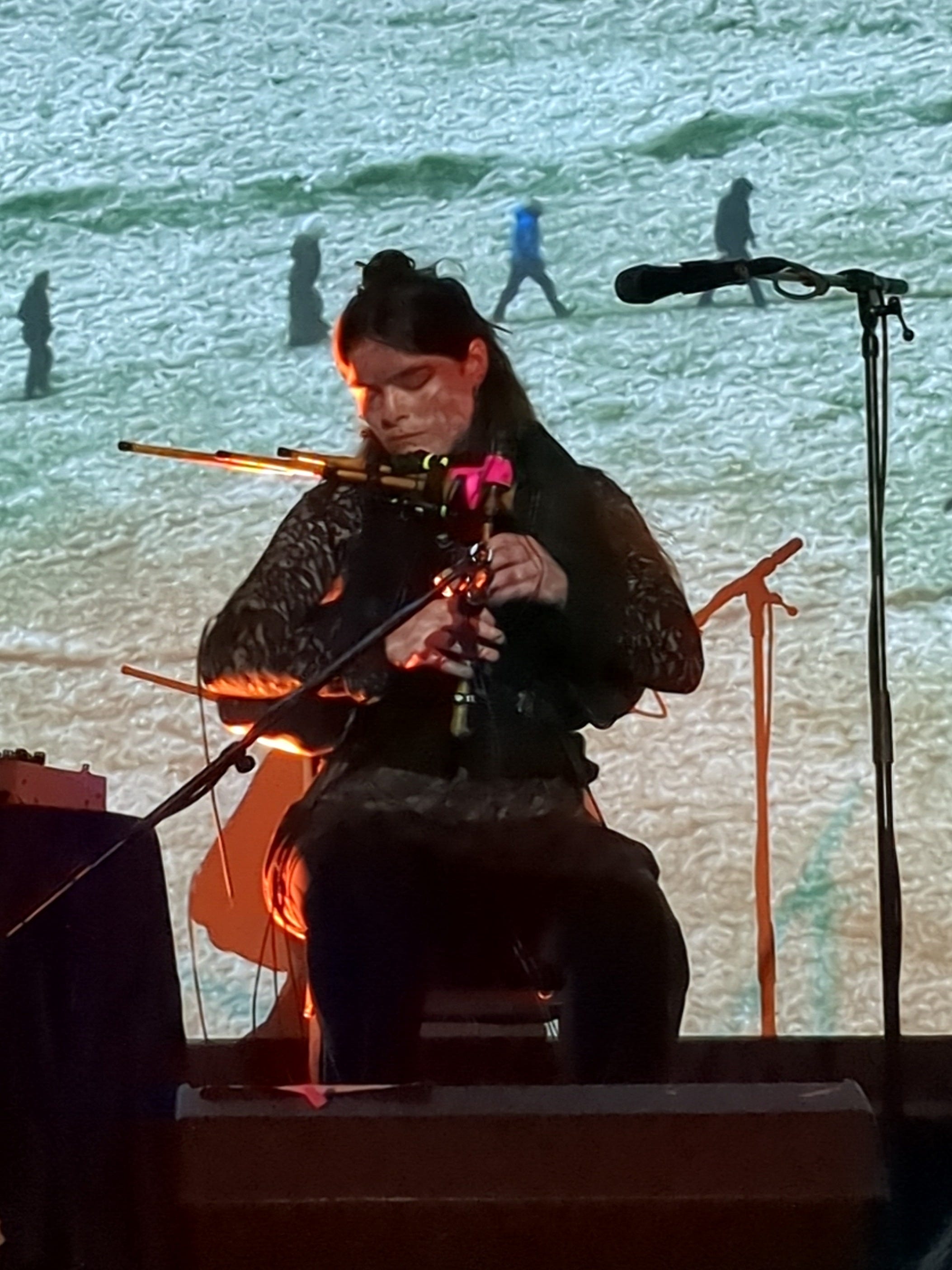
That continues in other ways, that synthesis. I saw Brighde Chaimbeul perform her new album. The first word that came to mind was minimalist, but that was wrong. No, it is elemental. The older, baroque elements of the piobaireachd, the traditional high composition of Scottish bagpiping, have been stripped away, taking piping back to essentials, and then rebuilt.
For all the decay, the emptying out, the selling of patrimony, the pandering to the dull dull dull international palate, there is still something to the Scots that keeps going. Their music is the best, and perhaps the final, example. In song, they do not repeat old forms ad infinitum, the dumb loop of the way the dead did it. Nor do they embrace only the new, forgetting what came more than five minutes prior. The techniques and forms of old are not forgotten: someone is always practicing them, but so too will someone come along and take from them what they need and begin again, in a new way. Take what they need: no, it’s just as likely given. This, then, is true tradition: handing over, which too means letting go.
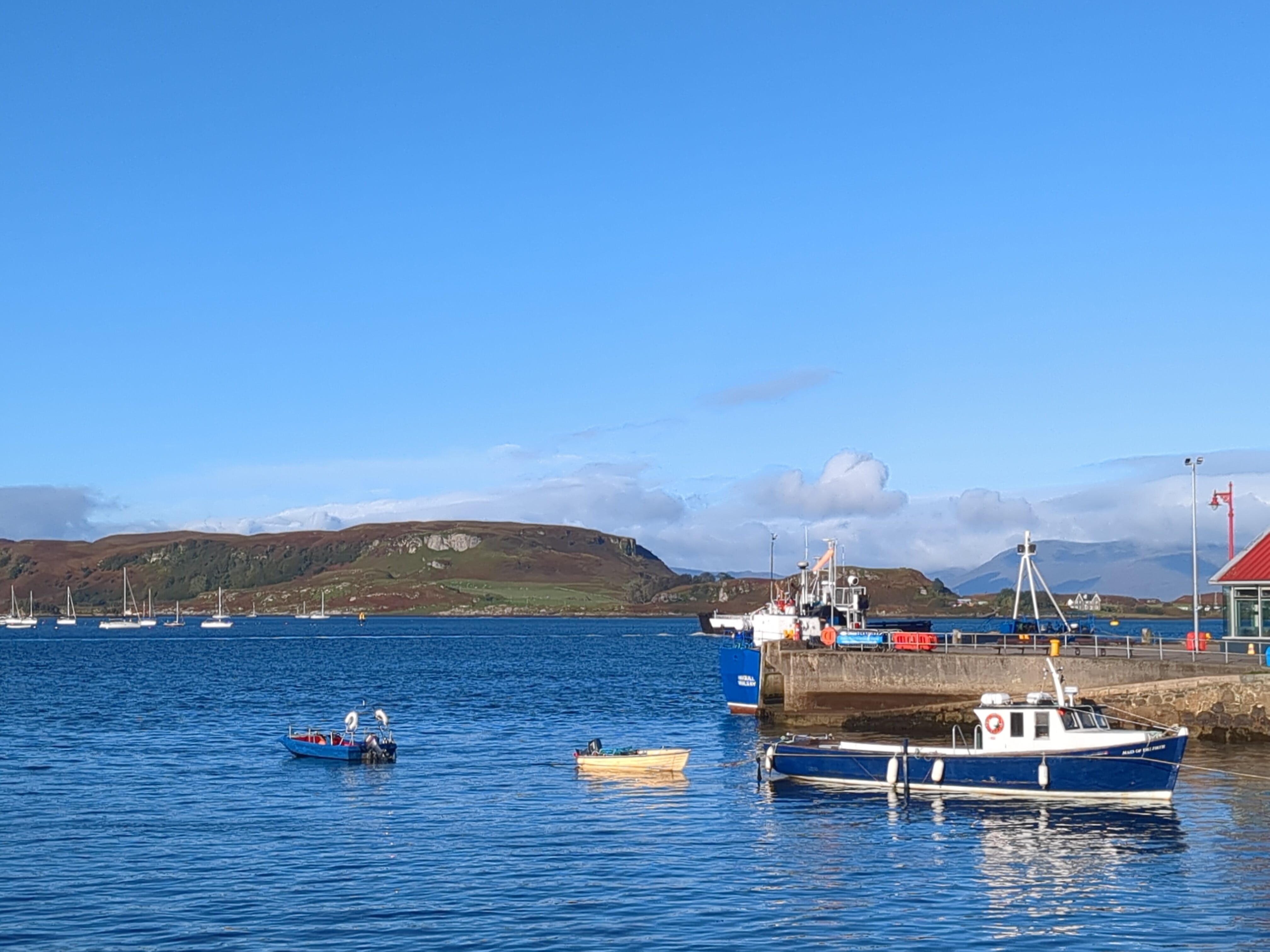
If the gentry of the crises, the power-addicts and the geo-egoists who cracked the deathly whips, wanted big words, then all right let them have ‘em; tell them we’re going in search of a real civilization, one of our very own, distinguished by a way of life which had as it economic doctrine and its philosophy, its work and its religion, its duality in unity: a sure hand at the tiller and love behind the wave.
Neil Gunn, The Lost Chart